Rectal Bleeding: Diagnostics and Clinical Urgency
Understanding the origins of gastrointestinal bleeding and when to seek immediate medical evaluation.
Understanding the Symptom
Finding blood on toilet paper, in the bowl, or mixed into your stool is a jarring moment for anyone. Medically, visible bright red blood from the rectum is called hematochezia. Rectal bleeding isn't a disease in itself — it's a symptom pointing to something else. You should always get it checked by a healthcare provider, but the possible causes range enormously: from common, easily treated local irritations to serious inflammatory or oncological conditions.
Color as a Diagnostic Clue
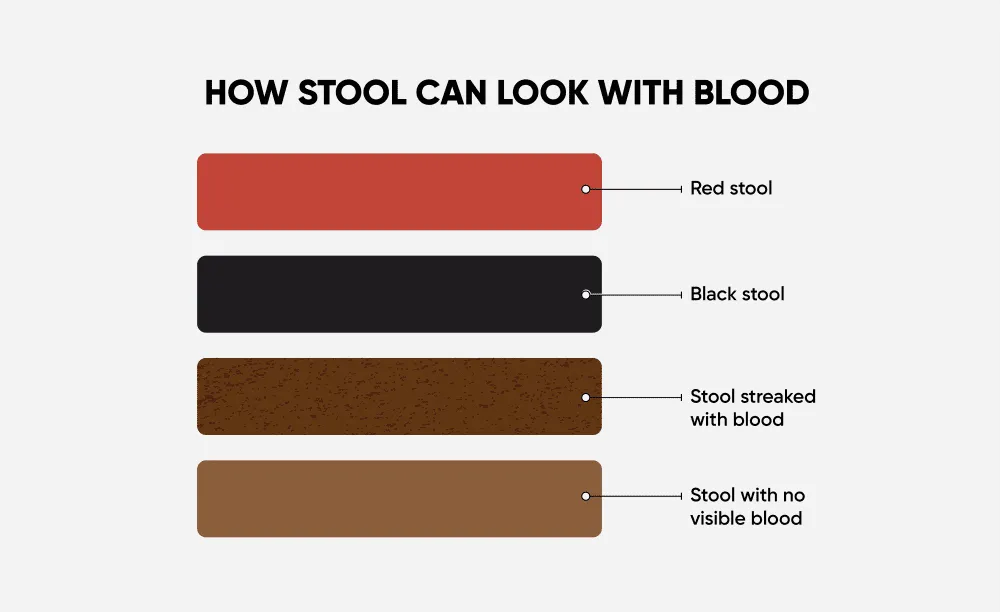
One of the first things a gastroenterologist looks at is the color of the blood — it's a surprisingly informative diagnostic clue. As blood travels through different parts of the GI tract, it's exposed to digestive enzymes and bacteria, which change its appearance depending on where the bleeding originates.
- Bright Red (Hematochezia): Fresh, bright red blood typically indicates that the bleeding is occurring in the lower GI tract—specifically the colon, rectum, or anus. Because the bleeding is close to the exit, the blood has not had time to be digested or oxidize.
- Dark Red or Maroon: This coloration suggests that the bleeding is originating higher up in the colon or in the small intestine. The darker hue indicates the blood has spent a longer duration traveling through the bowel.
- Black and Tarry (Melena): Stools that are distinctly black, sticky, and foul-smelling (melena) are a critical medical warning sign. This indicates bleeding in the upper GI tract, most commonly a bleeding stomach ulcer or duodenal ulcer. The blood turns black because it has been fully exposed to gastric acids and digestive enzymes.
- Occult Bleeding: Not all bleeding is visible to the naked eye. Microscopic amounts of blood hidden within normal-looking stool (occult blood) are typically discovered during routine lab work, such as a Fecal Occult Blood Test (FOBT), which is a primary screening tool for early-stage colorectal cancer.
Common Pathological Causes
Benign Anorectal Conditions
Most cases of bright red rectal bleeding come down to benign causes tied to mechanical strain. Hemorrhoids — swollen, varicose-like veins in the rectum or anus — can rupture easily when pressure builds during a bowel movement. Passing very hard, dry stools (Bristol Scale Type 1 or 2) can also cause an Anal Fissure, a small but painful tear in the delicate mucosal lining of the anal canal. Both conditions are closely tied to chronic constipation and typically come with sharp pain during defecation.
Use accurate data in your favor
Fissures and hemorrhoids get worse with physical strain, so figuring out what's causing your constipation is the real first step toward preventing recurring rectal bleeding. If you're seeing spots of blood or experiencing pain, start logging the frequency and severity right away in your digital poop diary — that data will be genuinely useful when you see your gastroenterologist.
Inflammatory and Infectious Disease
When the bowel lining is inflamed, the surrounding blood vessels become fragile and prone to bleeding. Inflammatory Bowel Disease (IBD) — encompassing Crohn’s disease and Ulcerative Colitis — causes chronic ulceration of the intestinal walls, leading to bloody diarrhea. Diverticulitis happens when small pouches in the colon wall get infected, sometimes triggering acute, heavy bleeding that can be surprisingly painless. Infectious Colitis (caused by bacteria like E. coli or C. difficile) and certain STIs like untreated gonorrhea or chlamydia can also produce significant mucosal bleeding.
Oncological Concerns
The most serious possibility behind unexplained rectal bleeding is colorectal cancer. Benign growths called colon polyps can develop slowly on the inner lining of the colon — and over time they can grow, bleed, and turn malignant. Because early-stage polyps and cancers often bleed only intermittently, any persistent or unexplained rectal bleeding warrants a colonoscopy to rule out an oncological cause.
Clinical Action and Tracking
There's no single treatment here — everything depends on what's actually causing the bleeding. Minor hemorrhoids often respond to topical OTC ointments and increased dietary fiber. IBD requires complex immunosuppressive therapy. Polyps need to be surgically removed. The diagnosis drives everything.
Urgent Warning: Seek emergency medical care immediately if the bleeding is heavy, accompanied by large blood clots, if you experience dizziness and fainting (signs of dangerous blood loss), or if your stool is black and tarry.
Sources & Medical References: